

-
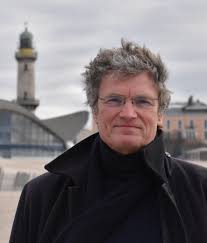
- Hans Burchard (Leibniz Institute for Baltic Sea Research Warnemünde – IOW, Germany)
-

- Giorgia Vierri (Euro-Mediterranean Center on Climate Change – CMCC, Italy)
-

- Karoline Rummel (Leibniz Institute for Baltic Sea Research Warnemünde – IOW, Germany)
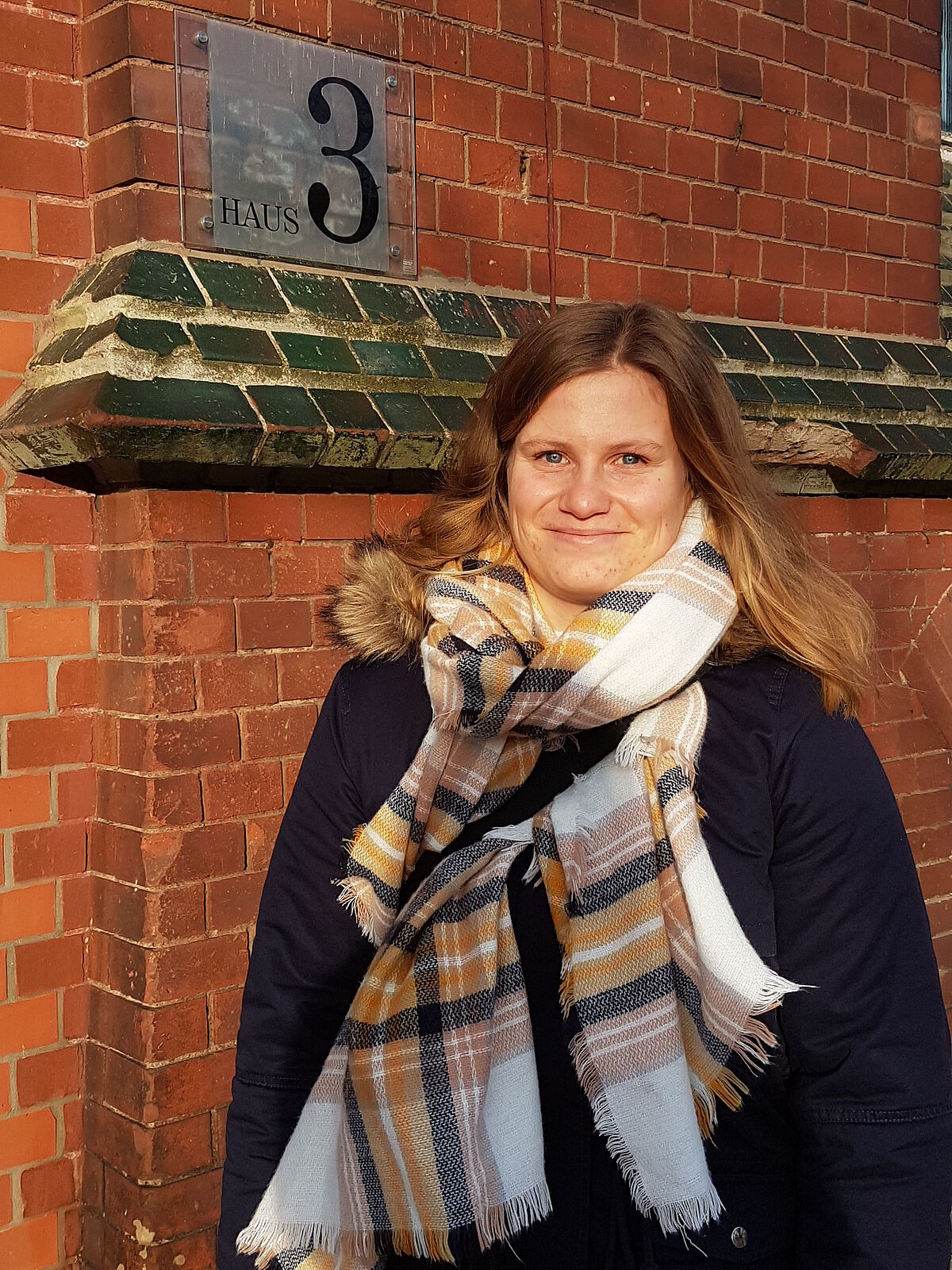
-

- Ming Li (University of Maryland, USA)
-

- John Largier (University of California Davis, USA)

-

- Carmen Zarzuelo (University of Seville, Spain)

-

- Huib E. de Swart (Institute for Marine and Atmospheric research Utrecht – IMAU, The Netherlands)

-
- Isabel Jalón-Rojas (CNRS Research Scientist, EPOC laboratory, Bordeaux, France)

-

- Christian Ferrarin (National Research Council – CNR, Italy)
-
- Manuel Díez-Minguito (University of Granada, Spain)
-

- Debora Bellafiore (National Research Council – CNR, Italy)
Venue and Accommodation
About the city
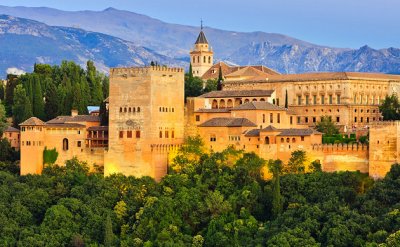
Granada is an university city. The 30% of its population are students, lecturers, researchers, and administrative staff directly linked to the University of Granada. A lively student atmosphere has flourished here, giving rise to the development of a multicultural and vibrant study destination. Thanks to its rich historical and cultural legacy, and to the presence of a pro-active university community, Granada has firmly established itself as a vibrant cultural hub. The city has been home to Iberian, Roman, Jewish, Muslim and Christian communities, all of which have left their own distinctive footprint on the city. The world-renowned Alhambra Palace, a UNESCO World Heritage Site, is widely regarded as one of the finest examples of medieval Islamic architecture. (Reserve your tickets well in advance!!) The Sierra Nevada range dominates the sights and climate of the city. The subtropical coast, just 65 km southwards, offer scenic beaches and exceptional weather throughout the year.
Plan your stay
Granada Airport (AGP) is located 16 kilometers from the city. There are car rentals, taxis, and bus service to Granada (recommended). Domestic flights connect Granada with Madrid and Barcelona, among other cities. We also recommend you to fly directly to Málaga (AGP). Málaga Airport is connected with many international destinations from all over the world. Málaga is the nearest international airport and is only 90 minutes from Granada by road. There are regular direct bus connections from Málaga Airport to Granada Bus Station.
More information from how to get there.pdf.
Participants will be accommodated in the University Housings of the Corrala de Santiago. The Corrala de Santiago is an outstanding and cosy Granadian-style building from the XVI th century. It is located in the historicand lively district of Realejo. The Corrala is only 5 minutes walking distance from the city centre. Lectures and meetings during the Summer School lectures take place in the Corrala de Santiago, too.
Sponsors